• Skip to primary navigation
  • Skip to main content
  • Skip to primary sidebar
  • Skip to footer

Dubiln Packard

  • Home
  • About
  • Foreclosure
  • Contact

The Future of Foreclosure

September 13, 2016 by Todd Murphy

The Future of Foreclosure

The Future Of Foforeclosure, new jersey, lawyerreclosure In the United States

The truth is, the foreclosure crisis is not over.

The end of the Great Recession, on the books recorded as June 2009, seems to be a premature end-date for those still feeling first-hand the financial backlash of the economic downturn.

Homeowners suffered significantly during the Great Recession; foreclosure rates skyrocketed, many of which compared to the foreclosure rates during the Great Depression (to read more about this, click here); and it has become evident over the years that things are going to take a long time to return back to normal.

While foreclosure rates have decreased since their acme during the Great Recession, they still remain over three times their normal levels (as David Dayen noted). Further, those whose loans exceed the value of the home- known as being underwater, continue to make up an enormous amount of homeowners; their number exceeded 8.7 million in 2015.

RealtyTrac found that for the first time in 3 years, foreclosure auctions were increasing, along with foreclosure filings. The signs spell out trouble- but the government and polls continue to say that we are out of the recession and that things are looking up.

The Problem Began Before The Recession Hit

The way that mortgages were handled changed significantly during the housing bubble. Many brokers sold too-good-to-be-true mortgages during the housing bubble to people who normally wouldn’t qualify: they preyed on people with low wages, people of Latin American decent, African Americans, those who were immigrants, working-class people making minimum wage. Interest rates were often incredibly low, and adjustable rate mortgages with initially low teaser rates were common; but many of these rates will be resetting to higher ones, rates which many homeowners will not be able to afford. Some economists believe another foreclosure spike is imminent.

Everyone is working against the homeowner.

Although many homeowners will have the desire to save their homes from foreclosure, it is evident that the financial institution may be working against them. Because of increases in the price of real estate, those whose homes are in foreclosure face the possibility of the bank seizing their home; it is now more financially favorable for the banks to just seize and sell your home, rather than helping you through the foreclosure process. This practice is seen going on all over the country. Banks want to settle the mortgages and foreclosures once and for all, and their way of handling this is by driving the homeowner into eviction.

To make matters worse, the loan servicers, those in charge of approving and denying homeowners for loan modifications in order to avoid foreclosure, continue to make it nearly impossible to obtain a modification. (To read more details about the corruption of loan servicers, click here). Many servicers continue to deny homeowners for no reason, despite the fact that they may qualify, and mishandling the documentation that borrowers send in, and neglecting to carry through with loan modification agreements that were reached with the homeowner.

Maybe most aggravating, is the fact that there are no laws governing their actions, and no penalties to face for committing such shameful wrongdoings to the homeowners.

What’s To Come?

It is likely that those dealing with mortgages from the time during the housing bubble will continue to suffer down the road.

National recovery has been slow, and even slower in those areas that received the greatest blows; which is inherent in the nature of the beast– subprime lenders targeted people in areas that were very poor to begin with, so when the recession hit, the people struggled to a greater extent than those living in wealthier areas.

It is unfortunate that those who suffered the greatest in the Great Recession are being helped the least, and that no one wants to step up to the plate and take the blame. Taking the blame may actually require them to try and fix the problem, instead of just pointing fingers. And who in government or from the banks wants to do that? It’s much easier to sit idly by while people continue to struggle.


Filed Under: Foreclosure, Home Loan Modification Tagged With: foreclosure, lawyer, New Jersey

September 13, 2016 by Todd Murphy

HAMP: The Obama Administration and The Banks’ Love Child

HAMP
Timothy Geithner, U.S. Secretary of The Treasury under the Obama Administration

HAMP: The Obama Administration and The Banks’ Love Child

When the economy was hit hard, the people turned to their government for help.

Economists stated that during the period from  2007 to 2009, the bottom 90% of Americans experienced the loss of one-third of their wealth, most of which was concentrated in their homes. After the housing market collapsed, millions of Americans were hurt deeply, and looking for financial healing. They turned to their government for help.

Cram Down: A Policy For the People

The government had a couple of solution plans drawn up to try to help those who were hit hardest by the recession: homeowners. The first of which, largely supported by Obama during his campaign for the presidential election, was “cram down.” Cram down gets its name from the action that the bankruptcy judge may take in reducing or eliminating debts that a borrower cannot pay; it is a common practice in bankruptcy court. In the context of foreclosure, it would force down the value of the debt to the value of the home; the logic of this being, the bankruptcy judge can write-off or reduce the debts that the homeowner cannot pay off– allowing an underwater homeowner to keep their home when they normally wouldn’t be able to.

HAMP: A Protection Plan For Financial Institutions

A number of legislators and citizens alike supported cram down as a way to remedy the foreclosure crisis. It was a plan for the people, and in the homeowner’s best interest. But, ultimately, nothing was done to get it passed. Obama dropped the idea in favor of a different policy, the Home Affordable Modification Program (HAMP).

While cram down was a plan for the people, HAMP was a protection plan for the financial institutions. HAMP was born out of negotiations between Obama’s economic team and the financial industry. Notice how I said the financial industry;  homeowners were nowhere in sight, their interests and needs were not heard. But, what rang through loud and clear in these discussions were the wants and needs of the banks.

All Of The Power In The Hands Of The Banks and Loan Servicers

HAMP granted all of the power to the financial institutions. Mortgage companies were offered small incentives to modify loans for borrowers who were susceptible to going into foreclosure. But, at the end of the day, it was the mortgage companies who decided whose loans to modify (not the bankruptcy judges who were arguably much less partial in the situation). As it turns out, it was not in the mortgage companies’ best financial interest, to modify homeowners’ loans. These companies were able to increase their revenue if they kept homeowners in limbo, and eventually allowed the loans to default and proceed through to foreclosure and the eventual auction of the home. This practice allowed them to keep collecting payments and charging the homeowners various other fees, while on the outside giving the appearance of helping them.

To read more about the scandalous activities of loan servicers and the corruption that went on behind the scenes, read: ( Loan Servicers: The Face Of Corruption).

And to compound the issue of it not being in loan servicers’ best interest to give loan modifications, the problem was only worsened by the strict protocol that the mortgage companies only approve of borrowers they deemed deserving. The Treasury Department, who pulled the strings of their puppets, the banks/servicers, made it very clear that the loan services must only reward those who were “deserving” of loan modifications (known as a “hardship”).

HAMP: A Band-Aid For The Financial Crisis, Not A Real Solution

To the government, HAMP was merely a band-aid for the financial crisis; for a short period of time, it retarded the progression of foreclosures. And to the added benefit of The Treasury and financial institution as a whole, it gave banks the power of controlling the timing of foreclosures, so that millions of homes were not foreclosed upon at the same time, allowing them to absorb their inevitable losses at a slower rate. To them, even though there was chaos, at least it was controlled.

Journalist, David Dayen, stated that in a period of 5 years from the time that the policy was put into place, it only helped one-tenth of at-risk homeowners avoid foreclosure; at a time when over 10 million were at risk of losing their homes to foreclosure (to read more from Dayen at Bill Moyer’s site, click here).

Today, the red tape and corruption still lingers. Homeowners continue to struggle obtaining loan modifications, being bounced around to different departments, constantly sending in the same documentation and still getting denied even when they qualify. HAMP, the solution designed to help homeowners continues to plague them. This especially holds true to those still dealing with old loans from the time Pre-Recession, many of which continue to be problematic 8 years later. It can still be exceedingly difficult to get a loan modification, many loan servicers continue to make it extraordinarily difficult.

From the time of its conception, the solution that the government and financial organization came up with was never to benefit individual homeowners; it was a scapegoat when the alternative cram down policy would’ve caused too much financial loss for the banks.

But, who looks out for the middle class then? Those who suffered the greatest financial hardship when the recession hit?


Filed Under: Foreclosure, Home Loan Modification Tagged With: foreclosure, HAMP, lawyer, New Jersey

September 13, 2016 by Todd Murphy

Loan Servicers: The Face of Corruption

HAMPLoan Servicers: The Face of Corruption

A Glance at HAMP

The Home Affordable Modification Program, HAMP, was a policy that went into effect during Obama’s presidency. As the administration and financial institutions ( its creators) would proclaim, it was designed to relieve the foreclosure crisis. But, what most won’t tell you, is that there was a great deal of corruption going on behind the scenes – all of which greatly hurt homeowners, and explains why despite Obama’s promises that 3 to 4 million people would receive loan modifications, that number struggled to creep above one million, even 5 years after the policy was adopted.

HAMP was created to give incentives to mortgage companies to modify loans of homeowners who were at risk of going into foreclosure; further it gave all of the power to these mortgage companies to approve or deny homeowners for modifications.

How Your Loan Servicer Became God Almighty When HAMP Was Adopted

In order to grasp just how much power your loan servicer was given when the government passed the bill for HAMP, one must realize that mortgages are not handled by their lenders.

During the housing bubble, many home loans were sold to middle-men, packaged into securities, then sold to bond investors. Banks hired loan servicers to: collect mortgage payments, provide customer care to borrowers (the homeowners) and to dole out the earnings to investors.

The loan servicers handled everything. So, surely, it made sense to give them the added power of approving and denying homeowners for loan modifications when HAMP was contrived. Right?

All of the power was put into the hands of a small group of people. Loan servicers played a pivotal role in the success/ failure of HAMP.

With great power comes great responsibility.

HAMP granted loan servicers with an inordinate amount of responsibility in handling the foreclosure crisis. Typically, the best way to save a home from going into foreclosure is through attaining a loan modification. Thus, the loan servicers had all of the power in controlling the rate of home foreclosures because they were the ones who dictated approving or denying people for loan modifications, on top of a plethora of other responsibilities.  The loan servicers were incredibly ill-equipped to deal with the volume of work that was laid on their laps. They were flooded with millions of individual requests for modifications. But, most companies were understaffed, and the employees they did have were not adept at handling loan modification approval. The only way they could keep their heads above water was by slashing customer care. Even if they wanted to provide customer service, they didn’t have the manpower to do so.

The Servicers Learned How To Profit

Overwhelmed with work, and with little profit to be made doing things by the books, the loan servicers manipulated the system and found a way to make HAMP work for them.

They would intentionally “lose” paperwork that the homeowners were sending into them, as to extend the time the loan was in default. (Click here to read about Paula, whose bank lost her husband’s death certificate, paystubs and more)

They stretched out the period of time for the trial modifications. This enabled the servicers to continue collecting payments and late fees, typically while proceeding through the foreclosure process, unbeknownst to the borrower. This sneaky maneuver allowed the services to then deny the homeowner of a loan modification, and additionally require the borrow to pay back payments, missed interest, and late fees; if they didn’t comply to these stipulations, the servicer could dangle the risk of foreclosure over the homeowner’s head. (Click Here to read about Ross, whose bank agreed to a loan mod, then foreclosed on his home)

Bank Of America Scam

Bank of America’s mortgage servicing team brought to light the wrongdoings of their department in a class-action lawsuit. Employees testified that Bank Of America instructed them to lie to customers, purposefully throw-out documents sent by the borrowers, and deny homeowners for modifications for no reason whatsoever without providing any explanation to the borrower.

Bank of America took it one step further by rewarding subservient employees with bonuses.

The corruption was far-reaching, Bank of America is just one of the many banking institutions who engaged in such despicable behavior.

No matter what they did, the homeowners couldn’t win.

Little to their knowledge, no matter how hard the homeowners tried to save their homes from foreclosure, the loan servicers made it impossible. All of the people whom the homeowners believed to be helping them, were in fact working against them.

The scenario recycled itself over and over again: the borrower begins making payments, gets denied for a loan modification, the home goes into a foreclosure that could have been avoided.

In a report from the Government Accountability Office about 2 years ago, 64% of all loan modification applications were denied. It continues to be a problem today because no one is willing to take accountability, and, no one is being punished for their actions, even the loan servicers who caused much of this catastrophe are not held at fault for their actions– there are no laws governing bad behavior like this.

Much of the corruption that was going on behind the curtains of the foreclosure crisis caused for a whirlwind of financial ramifications which the middle class bore the burden of, and continues to bear today. No one wants to step up to the plate and take the blame for this corruption; so many people’s hands are dirty in this situation, and its the middle class who is suffering through the wrongdoings of those they trusted.

It’s highly likely that you may have experienced first-hand the corruption of loan servicers; but that is no reason to give up; there are still options out there to save your home.


Filed Under: Home Loan Modification Tagged With: foreclosure, lawyer, loan modification, New Jersey

July 14, 2016 by Todd Murphy

3 Things The Best Foreclosure Lawyers Know

Best Foreclosure LawyersIf you are at risk of losing your home in a foreclosure in New Jersey and are searching for the best foreclosure lawyer, you want to be sure to hire someone who can really help you which only the Best Foreclosure Lawyers can do.

Your home is the most important thing to you and your family.  Don’t just hire any lawyer, maybe someone you know, or someone who has worked with you in the past on a traffic ticket or auto accident.  Foreclosure law in New Jersey is complex.  You should only trust your family’s home to a lawyer who has experience in foreclosure and understands all of the laws and tools available to help you save your home from foreclosure.

Here are the 3 things the Best Foreclosure Lawyers Know

  1. The State law of foreclosure: like all areas of the law, the area of foreclosure law is controlled by the Fair Foreclosure law and cases that have been decided that further interpret the statute and add clarity to the law.  The best foreclosure lawyers know the Fair Foreclosure Law and all of the recent cases.
  2. Loan Modifications: the best foreclosure lawyers know that the best way to resolve a foreclosure case is through a loan modification.  Some foreclosure lawyers will perform the service of completing the application for their clients while others will provide advice or “coaching” on how to complete the application.
  3. Bankruptcy Law: it is not always possible to obtain a loan modification simply by filing a loan modification application, often a chapter 13 bankruptcy can be a terrific tool for saving a home from foreclosure when a loan modification is possible.  It also can stop a sheriff sale if one is scheduled which then provides the time needed to either get a loan modification or the bankruptcy itself can bring the mortgage current and allow payments to commence.

Beware of scams from out-of-state lawyers and from fly-by-night firms that use aggressive sales tactics, play on your fears of losing your home, and promise you extraordinary results.  Only work with the best foreclosure lawyers who have experience and know the the three important things listed above.


Filed Under: Foreclosure Tagged With: best foreclosure lawyers, nj foreclosure lawyer

July 7, 2016 by Todd Murphy

Save My Home From Foreclosure

Navigating The Foreclosure Process: Where Should I Start?

If you’re saying to yourself, “I want to save my home from foreclosure but don’t know where to start,” then you’ve come to the right place. Here is what you should do.

lawyer Foreclosure New Jersey Process save my home from foreclosure1. Educate

First and foremost in navigating the foreclosure process and deciding where to start, begin to educate yourself about the process. We have a plethora of free resources on our website: blog articles about foreclosure, loan modification, bankruptcy, the sheriff sale, and many more topics; we also have educational videos, case stories and helpful webinars which mimic a conversation that you would have with a real foreclosure lawyer if you were to call one– it will go over all of your options.

2. Avoid Scams

Secondly, avoid falling into traps; scams are a dime a dozen. It is highly likely that you will run into some while in the process of trying to save your home, so use your due diligence and keep an eye out for them. Many companies tout too good to be true deals. Most will take your money but don’t actually do anything to help.

3. Remain Strong

The road may get tough, but don’t give up; while the solution you find may have the wonderful end result of saving your home, sometimes the strategies can be hard to navigate, especially things like loan modification and bankruptcy. It can be a long and confusing process to get a loan modification or bankruptcy, but don’t fret, we are here to help you.

4. Decide On A Strategy

If you have just received a foreclosure complaint, you have 35 days to file an answer. To begin, decide whether or not you should file a contesting answer. From there, research what options you have to save your home. Taking all things into consideration, decide if saving your home really is the most realistic choice and the best solution. Then, put your strategy into place.


I’m Beginning To Fall Behind On My Mortgage Payments, What Should I Do?

falling behind on mortgage payments new jersey lawyer foreclosureMany people struggle to make their mortgage payments, you are not alone. If you’re saying to yourself, “I’m beginning to fall behind on my mortgage payments, what should I do now?” Here are some quick and powerful tips that will help you:
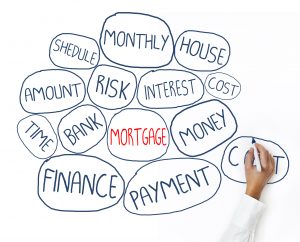
To answer the question “I’m beginning to fall behind on my mortgage payments, what should I do now?,” you should begin by calling your loan servicer to see what advice they have if you are just beginning to struggle with making your mortgage payments. Your loan servicer is the company responsible for mortgage payment collection. The number to reach them is located directly on your mortgage bill.

Your lender will allow you to miss 3 mortgage payments before declaring your loan in default, and then they won’t accept any more mortgage payments.

Practice good bookkeeping, this will be important in any solution you may employ down the road if you are faced with needing to apply for a loan modification or file for bankruptcy.

It is especially important to have good record-keeping skills if you are self-employed, because it is harder to be approved for a loan modification if you are self-employed, particularly if your finances are not in order or easy for the bank to understand.

Keep all of your documents related to your home in the same place, this will make it much easier if you need to call a foreclosure lawyer in the future.

The lawyer will need information from you, including home value, mortgage payment, the number of missed mortgage payments, interest rate, expenses, et cetera, so it is helpful if it is all in one place and easy to find.

Try your best to keep up with mortgage payments, but don’t be unreasonable. Do not, I repeat, do NOT, begin using your retirement savings or 401K to make your mortgage payments or to pay household bills. This money is nearly impossible to ever replace, and the temporary relief that it provides in paying your bills is not worth the strife that depleting it causes down the road. Further, if you end up filing a bankruptcy to save your home, your retirement money is protected.

Research all of your options for saving your home and decide on a solution that works best for your specific situation. Don’t get yourself into a solution that is unrealistic. Usually the best solution for those who have started falling behind on mortgage payments is obtaining a loan modification.

Be sure that you will be able to afford the option you settle on. No matter how hard it may be, sometimes moving is the best option if you cannot afford a home-saving strategy, because entering into one that you cannot pay for will only cause more trouble.

One of the most important things you can do when you start to struggle making mortgage payments is to learn as much as you can about all of the options that are available.


10 Things To Do If You Just Received Foreclosure Papers

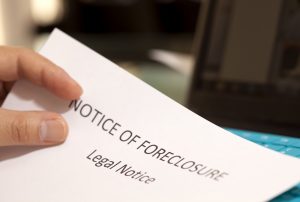
Were you just served with foreclosure papers? Here is a quick list of what you should do once you are served with a Summons and Complaint.foreclosure papers new jersey lawyer loan modification bankruptcy

  1. The summons you may have just recieved requires a response within 35 days, commit to taking action within that time period (See below for more information)
  2. Find a qualified New Jersey Foreclosure Lawyer to help you through the process
  3. Complete the application for mediation which is included in the foreclosure complaint
  4. Communicate with your lender- see what options they suggest and request a loan modification application
  5. Apply for a loan modification as soon as possible
  6. Research all of your options and self educate
  7. Keep good records: save all of your mortgage payments (these will come in handy down the road)
  8. Put all of your court deadlines on your calendar, it is important not to miss any
  9. Make a list of all of your expenses
  10. If you don’t think you qualify for a loan modification, look into bankruptcy as an option

Our Opinion On Filing An Answer

From our many years of experience in handling foreclosure cases, we have a strong opinion that it is not in the homeowner’s best interest to file an answer * 99% of the time. We do not recommend a litigation strategy of filing an answer and further motions, because it doesn’t lead to saving your home. It only serves to extend the foreclosure process, but ultimately it will end in a sheriff sale. The strategy that we see the most consistent results with is obtaining a loan modification, or, if you can’t qualify for a loan modification then filing for a chapter 13 bankruptcy.

* Some lawyers’ opinions do not completely align with ours, if you are interested in the litigation strategy, consult with other lawyers for this route of action.


“I’m Falling Behind On Mortgage Payments, Are There Ways To Fix The Problem?”

mortgage new jersey lawyer loan modification

First – You’re Not Alone, AND Yes, There Are Ways To Fix The Problem

Thousands of people struggle to make their mortgage payments, especially after significant life changes, like loss of employment, death in the family, changes in income, and other factors that are out of our control. But, if you have just begun falling behind on your mortgage payments, you can still take control, and you have a number of options and strategies available to remedy the problem.

Before Considering Any Of These Options, You Need Income

If you are just beginning to look into ways to fix your mortgage problems, first and foremost – before you can put a strategy into place – you must have a form of income, or you need to find one.

These Are The Options That Can Help You

Home Loan Modification

Home loan modification is usually the best option for those who need a reduction in their monthly mortgage payments; it is the most popular solution. In a loan modification, we look at the principal balance of the loan, and the total of the missed payments. These numbers are added together to establish a new principal balance for the loan. Then, using a new interest rate of around 4%, and a new term of 30-40 years, a new monthly payment is calculated. If you have enough income to support that monthly payment, your problem is solved.

Refinance

Refinancing could be a good option for you if you have a difference in the amount owed on the home and the value of your home, also termed equity. Refinancing could allow you to get a new mortgage and reduce your interest rate. However, this is usually only an option if you have not missed payments yet, only if you are just beginning to realize that your mortgage payments are too high to manage, but you’re still current on payments.

Temporary Interest Rate Reduction

A temporary interest rate reduction could be appropriate for you if your income has recently been reduced, but there is a foreseeable increase again in the near future; it will reduce your monthly mortgage payments for a short period of time. For example, it could be appropriate if you have taken a temporary leave of absence from work, or your hours have recently been cut, but they will return to normal soon. A temporary interest rate reduction is only a short term fix to the problem, and the issue must be addressed at a larger scale if your decrease in income is not short term.

Forbearance

Forbearance results in a temporary reduction or suspension of mortgage payments. It could be the answer to your mortgage payment problems if the problem is temporary and has an end in sight. For example, forbearance could be an appropriate solution if you had to take a medical leave of absence from work, you have experienced a death in the family of someone who contributed to the household, natural disaster has affected your living arrangements – like a flood or hurricane, or another issue that has affected your home short-term. Before entering into a forbearance agreement, it is crucial that you’re assured you will have income in the near future, enough to repay the payments you had missed during the forbearance period.

Temporary Indulgence

This could be a viable option if reduction in income will be solved within the period of one month. Temporary indulgence grants the borrower a 30-day grace period during which they don’t have to pay their mortgage. There must be a concrete date under which you will be able to resume making your mortgage payments.

Repayment Plan

A repayment plan is only granted when your financial hardship has worked itself out, and you have recovered financially. You should only look into a repayment plan if you are able to prove to your lender that you can resume making your normal monthly payments again; while also paying back your missed payments. Under a repayment plan, you usually have to pay back all of your missed payments within a 1 to 2 year period.

Reinstatement

You must pay back your lender in one lump sum the total of missed mortgage payments. This is usually only a good option if your financial troubles have resolved and you have access to or have saved a large sum of money.

Partial Reinstatement

You must pay back 50% of what you owe, or more, in a lump sum. You also must negotiate a plan to repay the remaining amount due in missed payments within a specific timeframe.

Don’t Wait To Find A Solution That Works For You

We know it can be confusing to know what option will work best for you, but we are here to help. Our site has a number of resources for you to research all of your possible solutions. But don’t wait. The problem will only get worse if you do not employ a strategy early on. And as time goes on and you miss more and more mortgage payments, it becomes more difficult to find a solution you are eligible for, and if your home goes into foreclosure, the chances of being able to save it decrease drastically if you don’t take action early on.

If you don’t think that any of the aforementioned options will work for you, bankruptcy may be an option.


How Bankruptcy Can Keep You In Your Home

how can bankruptcy save my home new jersey lawyerBankruptcy Can Allow You To Catch Up On Missed Mortgage Payments And Save Your Home From Foreclosure

If you’re struggling to make your mortgage payments and have determined that the solutions listed in: I’m Falling Behind On My Mortgage Payments, Are There Ways To Fix The Problem?, don’t work for you, then a bankruptcy may be the best strategy to keep you and your family in your home.

Chapter 13 Bankruptcy Can Keep You In Your Home

A chapter 13 bankruptcy can allow you to put a repayment plan into place. This option requires that you have a form of income in order for you to make the new monthly payments to pay back your missed mortgage payments. Your total missed payments are added to the principal balance of your loan, with this new amount, a new interest rate is calculated and a new term is given. This can be a great option for those looking to save their home from foreclosure.

A chapter 13 bankruptcy can even stop a sheriff sale the night before it’s scheduled to happen, and can keep you and your family in your home.

But don’t wait until the last minute, it becomes harder to make a chapter 13 bankruptcy work with the more missed payments you have, because it makes the overall monthly payments higher.


If You Can’t Save Your Home From Foreclosure: Prepare For A Bright Future Using A Chapter 7 Bankruptcy.

chapter 7 bankruptcy foreclosure lawyer new jersey

You may have entered the foreclosure process with the mindset of wanting to save your home, but you discovered that you can’t save your home from foreclosure. Try this strategy – benefit from the lengthy process of foreclosure: prepare for a bright future.

Sometimes saving your home from foreclosure is just not the most realistic path to take, we know how hard it can be. Loan modifications are difficult. Not everyone qualifies for them, and many struggle working with their bank to get approved for one. Often times, you get denied time after time.

And, a chapter 13 bankruptcy is often used to save homes from foreclosure, but they are very hard to manage and require you to make huge monthly payments for 60 months to try and pay back missed mortgage payments. Depending on your situation, it can be a leap to try and make one work for you.

So, as hard as it may be to overcome, you’ve determined that saving your home is not a good strategy for you. You’ve come very far and made a huge decision. Now that you know you will be moving in the near future, you are wondering how you will get back on your feet again after the sheriff sale.

A Chapter 7 Bankruptcy Can Help You Get Back On Your Feet Again

There are two points in time when a Chapter 7 Bankruptcy can be helpful to you if you’ve determined that you can’t, or don’t want to save your home from foreclosure.

Scenario 1: There is no impending sheriff sale, and you are fairly early on in the foreclosure process.

You are going through the foreclosure process and have done a lot of your research, or maybe spoke to a foreclosure lawyer about your options for saving your home, but decided that saving your home is not in your cards.

Filing a chapter 7 eliminates all of your personal obligations to pay any and all debts. This then allows you to start rebuilding your credit right away since you do not have any debts.

At the same time, since the foreclosure process is just getting started, you can live rent-free for months before a sheriff sale can be scheduled which means you can save money that you would otherwise use to pay your mortgage or rent.

It is even possible to rebuild your credit from what may be 580 or 590, to 680 or 690 within 12 months. This score is good enough to buy a car at the best rate. After 24 months, you can be as high as 750. If you put the $2000 a month you might be paying rent with in the bank for 12 months you would have $24,000 and after 24 months, $48,000 and coupled with a 750 credit score, you could be in pretty good shape after 12 or 24 months.

Using the very lengthy amount of time that it takes to foreclose on a home to your advantage, you can eliminate all of your debts now, live rent-free during that time, rebuild your credit, and even save some money for the future.

Scenario 2: You have an upcoming sheriff sale.

If it is just inevitable for whatever reason that your house will be sold at a sheriff sale, you can delay the sale by up to 120 days by getting a 30 day adjournment from the sheriff’s office and then filing for a chapter 7 bankruptcy. With his additional time, you can better prepare for moving and also enjoy the other benefits of chapter 7 bankruptcy.

Assuming you postponed the sale by 30 days with a 30 day adjournment, (Read More About That Here), filing a chapter 7 will delay the sale by another 90 days and will discharge all of your debts.

Further, it can also help you avoid enormous tax liabilities. Here’s how:

If you don’t file for a chapter 7 bankruptcy, the bank has the right to seek to recover the difference between what the house is sold for and the amount that is owed, this is known as a deficiency amount. However, what is more common is the deficiency amount is forgiven by the lender and it is then required to be reported to the IRS as income in a 1099 statement and you may have to pay tax on that amount. A chapter 7 bankruptcy protects you against both of these very negative possibilities.

For example, if there is a deficiency amount of $100,000, you could owe up to $50,000 in income tax and you didn’t even get the money! Chapter 7 bankruptcy avoids this issue, provided it is filed BEFORE the sheriff sale. And of course, you get the added benefit of up to another 90 days in the house since the chapter 7 delays the sale by up to 90 days.

A chapter 7 bankruptcy before the sheriff sale will eliminate your debts and buy you extra time in your home so you are well-positioned for the future.


Is A Short Sale Or Deed In Lieu Of Foreclosure Better For My Credit Than A Sheriff Sale?

home foreclosure alternatives: short sale and deed in lieu of foreclosureMany people ask, “Isn’t a short sale or deed in lieu of foreclosure better than a sheriff sale on my credit?”

To answer this bluntly, no. Unfortunately, if your home is in foreclosure, your credit was already ruined once your loan went into default after missing 3 consecutive mortgage payments.

There is a lot of misinformation on the internet regarding the potential benefits of s short sale or a deed in lieu of foreclosure. I don’t recommend either of these two strategies, unless your lender is offering you a significant sum.

Both a short sale and a deed in lieu of foreclosure assume you either didn’t qualify for a loan modification, or have chosen not to apply for a loan modification because you want to move out of the home. Sometimes, a homeowner is trying to end the lengthy foreclosure process sooner through either of these two solutions, and that may be another reason to consider either of them.

One factor that make either a short sale or deed in lieu of foreclosure nearly impossible is if there is a second mortgage on the property, which requires you to negotiate with both lenders simultaneously and usually requires the first lender to share some of the proceeds with the second mortgage holder, when at a sheriff sale the second mortgage holder wouldn’t receive any funds.

Short Sale

Often times, the only one who benefits from a short sale is the realtor who collects his/her commission once the home is sold. A short sale involves an agreement with your lender, or bank, that when/if the home is old for less than what is owed, the lender will not come after you for any amount owed on the home after the sale.

A short sale also requires the right type of buyer; the buyer must be willing to patient, often for months, while the lender determines whether or not they will prove the short sale. An investor with cash would be the most desirable potential purchaser. A good realtor will carefully screen the buyer prior to making an offer to be sure he/she has the staying power to see the deal through to a closing. Numerous transactions have fallen apart after months of negotiating because the potential buyer was unable to continue the wait.

The most significant reason not to do a short sale is: you may still owe income taxes on the difference between he sale price and the amount owed, which would’ve been forgiven by the lender. The reason for this is that once the bank forgives your debt amount, the IRS then treats that amount as “income.”

However, a chapter 7 bankruptcy could save you from owing a devastating amount to the IRS.

If you do choose to do a short sale, it is crucial that you get an agreement with your bank in writing, insulating you from them taking any further action in trying to collect deficits after the sale.

One possible advantage of this option is that you may be able to negotiate with your bank for them to allot you money for moving. This could help you get back on your feet again after having gone through the foreclosure process, but, this possibility is extremely unlikely with a short sale.

Deed In Lieu of Foreclosure

A deed in lieu of foreclosure essentially requires that you hand over the keys of your home to your bank for nothing in return. The bank will cancel your debts for the deed of your home.

With a deed in lieu of foreclosure, you run into the same aforementioned tax issues that you would if you did a short sale. Once you hand over the deed of your home to the bank and they forgive the amount that you owed, the IRS treats that amount as income that must be taxed.

Instead of a deed in lieu of foreclosure, if you did a chapter 7 bankruptcy, you would not owe any money in taxes because the amount owed on your home would not be forgiven, but it would be discharged, and the IRS could not tax you.

Are Either Of These Options Right For Me?

Unless, your lender is offering you a hefty bonus for doing a short sale or you are trying to shorten the process so that you can move out of the home sooner, then neither of these options offer any real benefits to the homeowner.

Applying for a short sale or deed in lieu of foreclosure is no different than applying for a loan modification; in both situations you must submit a hardship letter and a significant amount of supporting financial documentation. Often, if you qualify for a short sale, you would’ve qualified for a loan modification.

Consider these factors very carefully before you decide to go through with either of these options.


Filed Under: Bankruptcy as an Option, Foreclosure, Home Loan Modification, Sheriff Sale Tagged With: bankruptcy, foreclosure, loan modification, mortgage

« Previous Page
Next Page »

Primary Sidebar

(862) 305-4901

Search This Site

Footer

American Bankruptcy Institute Logo National Association of Consumer Advocates Logo
Avvo - Rate your Lawyer. Get Free Legal Advice.
Designated A Debt Relief Agency Under U.S.C. 528
( see required bankruptcy disclosures )
The materials available at this web site are for informational purposes only and not for the purpose of providing legal advice. You should contact your attorney to obtain advice with respect to any particular issue or problem. Use of and access to this Web site or any of the e-mail links contained within the site do not create an attorney-client relationship between Todd Murphy Law and the user or browser.
Lawyer J Murphy | Featured Attorney Foreclosure
(862) 217 2361